About CornHouse
Our Story
CornHouse didn’t begin in a boardroom. It began in the fields of rural Cameroon, where maize farmers work tirelessly but often watch their harvests spoil or get sold for too little, too soon.
Our founder, Rodrigue Jinyuy, lived that reality. Raised in a farming household, he experienced firsthand the devastating effects of post-harvest losses and predatory market systems. That early exposure planted the seed for a lifelong mission.
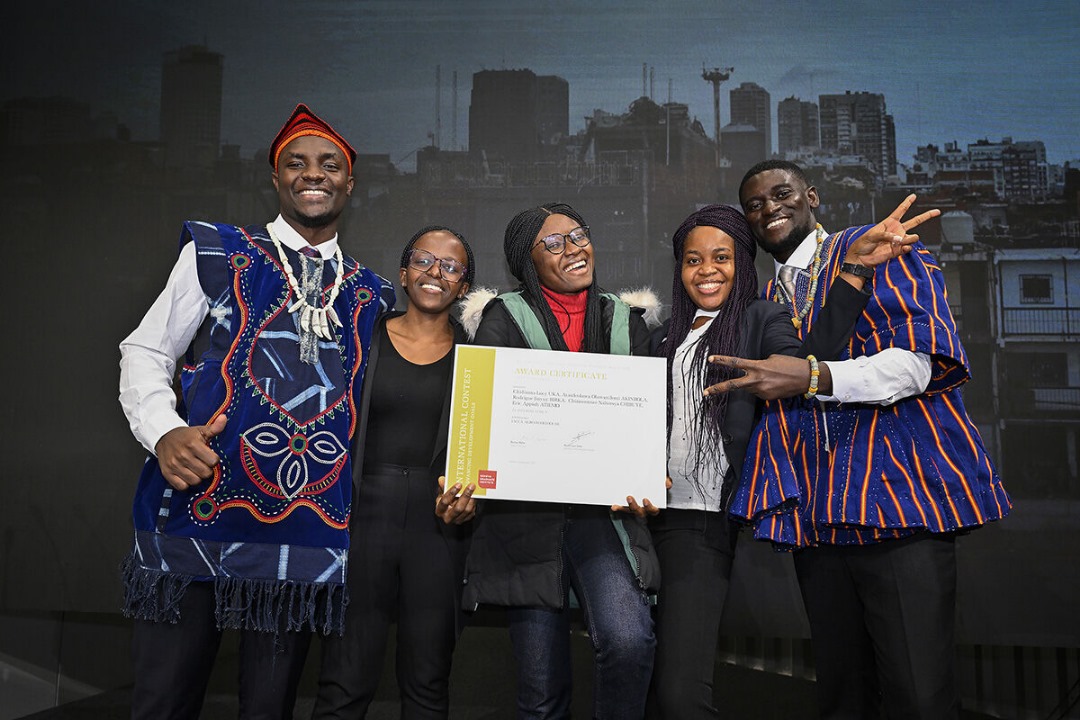
In 2022, Rodrigue joined a team of young changemakers whose solution (JACCA Agro-Warehouse Integrated Solutions), won first prize of the Geneva Challenge for proposing an innovative warehouse and finance model for maize farmers. Energized by that endorsement, he returned home to build something real. Backed by seed funding from D-Prize, it is now a fast-growing social enterprise supporting rural maize farmers with secure storage, access to finance, and fair market linkage.

CornHouse is not just a storage or sales initiative. It’s a system of trust, dignity, and opportunity, rooted in the lived experiences of the farmers it serves.
Why We Exist
Too many farmers harvest hope and lose it in storage. Others are forced to sell early to survive, giving up value they never get back.
Our Beliefs
- Farmers are entrepreneurs
- Local problems need context-based solutions
- Financial access and fair markets are transformative
- Trust and dignity are foundational
Meet our Founder
Rodrigue is a sustainable development economist committed to improving the socio-economic well-being of vulnerable communities.
He is passionate about advancing agricultural food systems and resilience through research, policy advocacy, and the design and implementation of impactful projects.
Combining global expertise with deep grassroots understanding, shaped by his upbringing as both a farmer and a problem-solver, Rodrigue brings a unique perspective to his work.
Who we have worked with!
CornHouse thrives through collaboration. We work closely with organizations that share our vision of empowering rural maize farmers and building resilient agricultural systems in Cameroon.